How do we maintain the garden of our minds?

At the sacred gateway of our journey stands Rhine Falls, Europe’s most powerful waterfall, long regarded as a living symbol of release and renewal. For centuries, Celtic tribes and later spiritual pilgrims felt this place as a threshold where stagnant energies are washed away by the unstoppable force of nature. The roaring waters remind us that life moves forward only when we surrender what no longer serves us. It’s letting go of old identities, fears, and attachments, allowing them to dissolve into the current. Here, the Rhine teaches a timeless truth: when we let go with trust, we align with the greater flow, and new paths open effortlessly ahead.

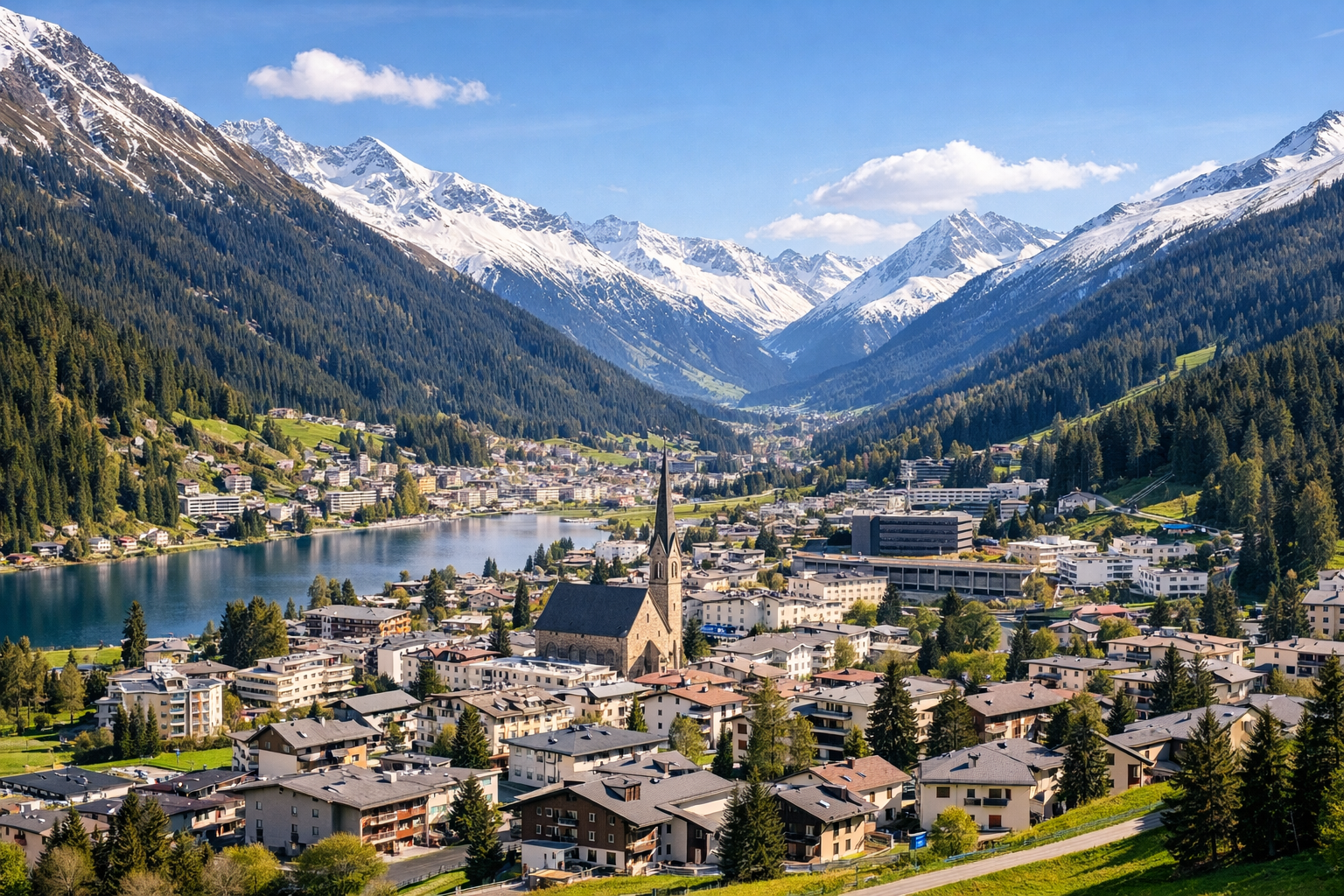
Nestled high in the Swiss Alps, Davos evolved from a quiet mountain settlement into a place of global influence through an unexpected path of healing and convergence. In the 19th century, Davos became renowned as a sanctuary for recovery and renewal, attracting thinkers, artists, and leaders seeking clarity in its pure alpine air. This legacy of restoration laid the energetic foundation for what would later become the home of the World Economic Forum, now regarded as the most prestigious financial and political gathering in the world. Each year, global decision-makers meet here to pause, reflect, and reshape the future mirroring Davos’ deeper spiritual theme: stepping back from the noise of the world to realign vision, responsibility, and collective direction before re-entering the flow of action.
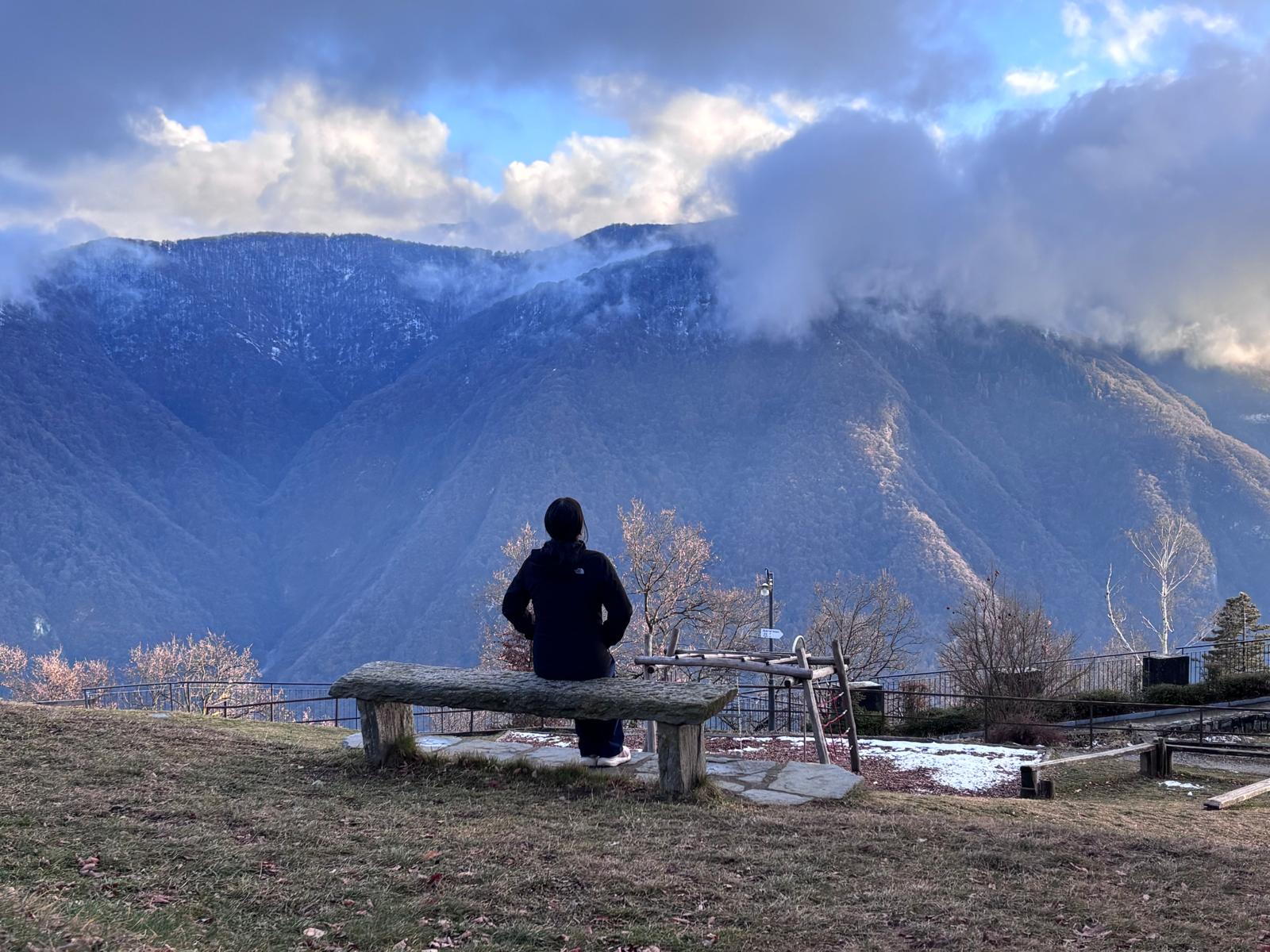
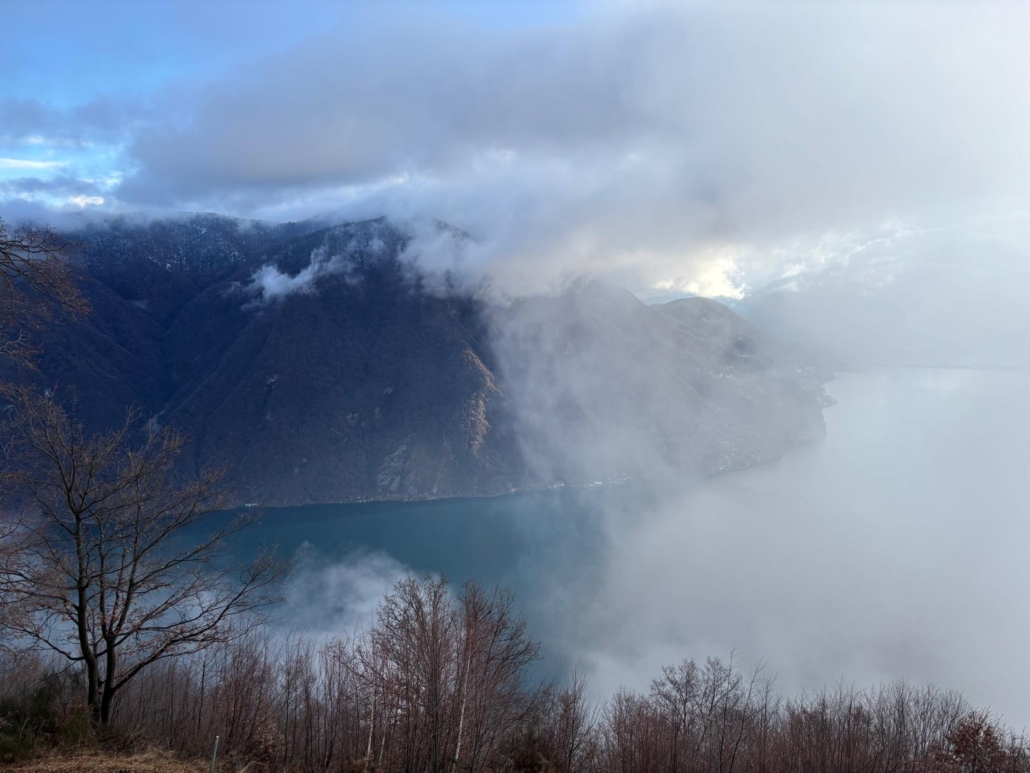
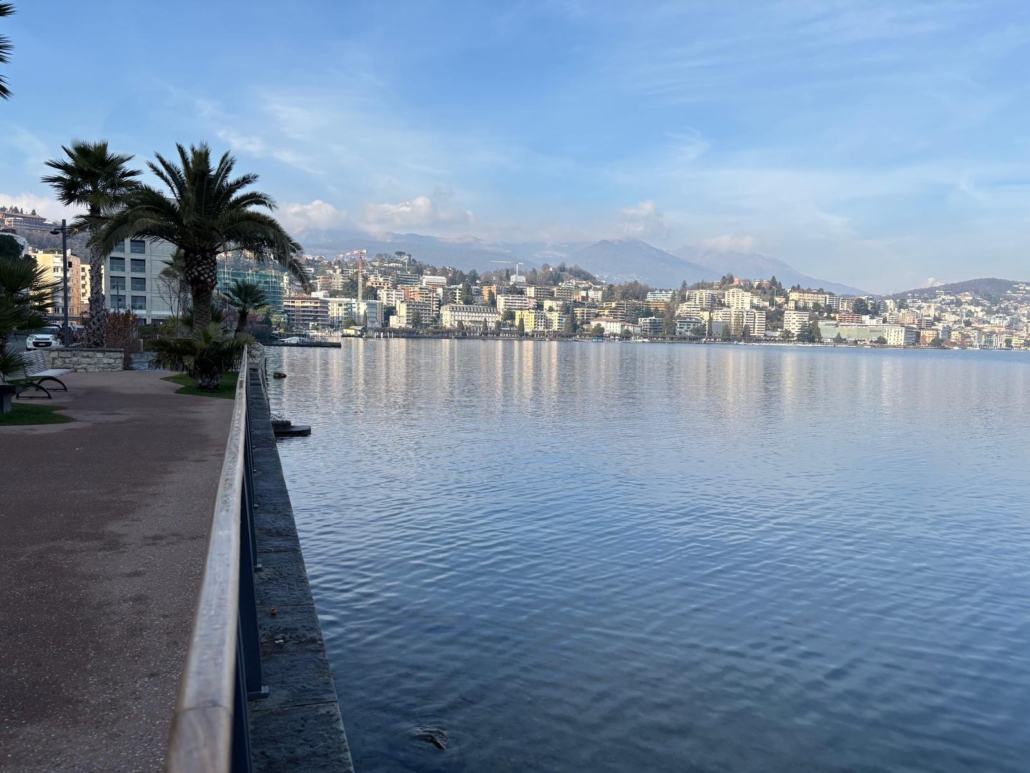
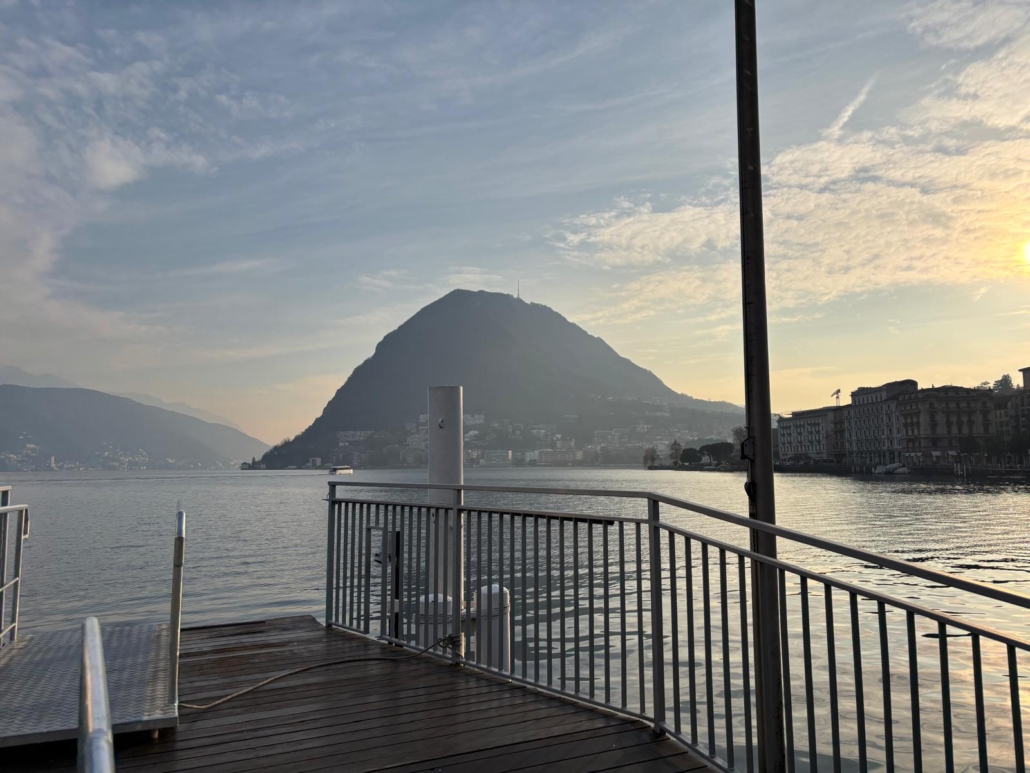
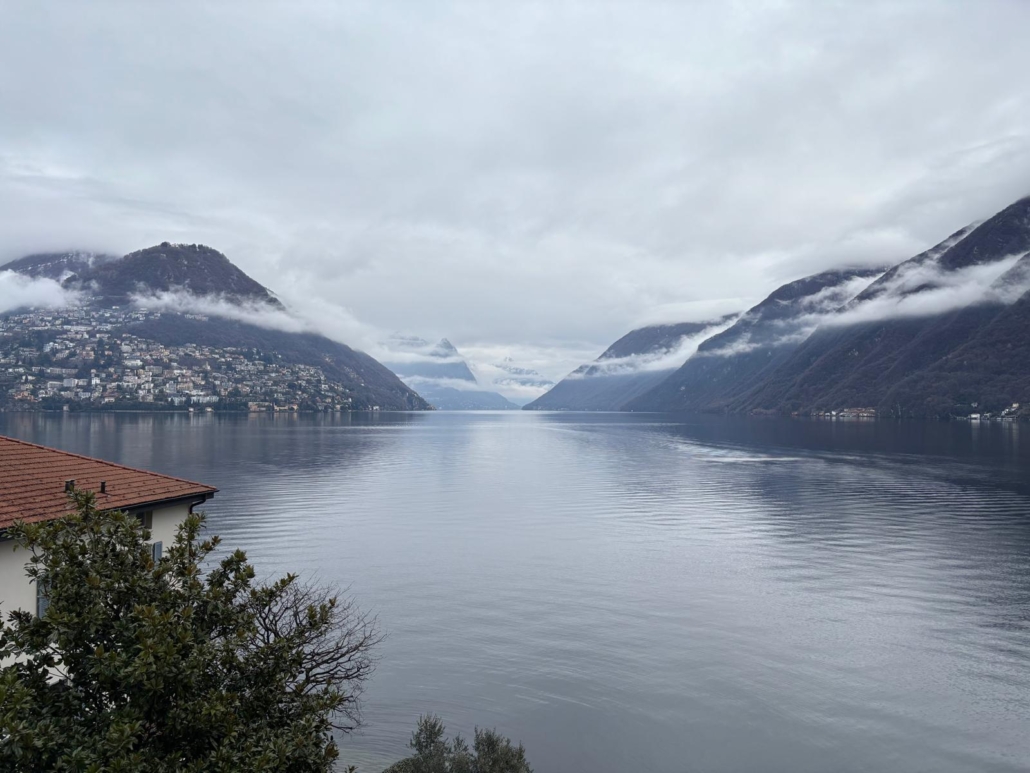
Lugano and Monte Brè have long been associated with contemplation and spiritual retreat. Historically, Monte Brè and the surrounding hills were used for Christian devotion and pilgrimage, with chapels, crosses, and devotional paths marking the mountain as a place of prayer, reflection, and withdrawal from daily life. Elevated viewpoints like Monte Brè were traditionally chosen to symbolize closeness to the divine, offering silence, perspective, and humility through vast natural views. Two days are intentionally spent here to allow the nervous system and inner world to settle after the intensity of altitude, clarity, and awe encountered earlier in the journey. This extended pause supports true integration, a place where insight becomes embodied, calm replaces effort, and presence is restored as a natural state rather than a peak experience.
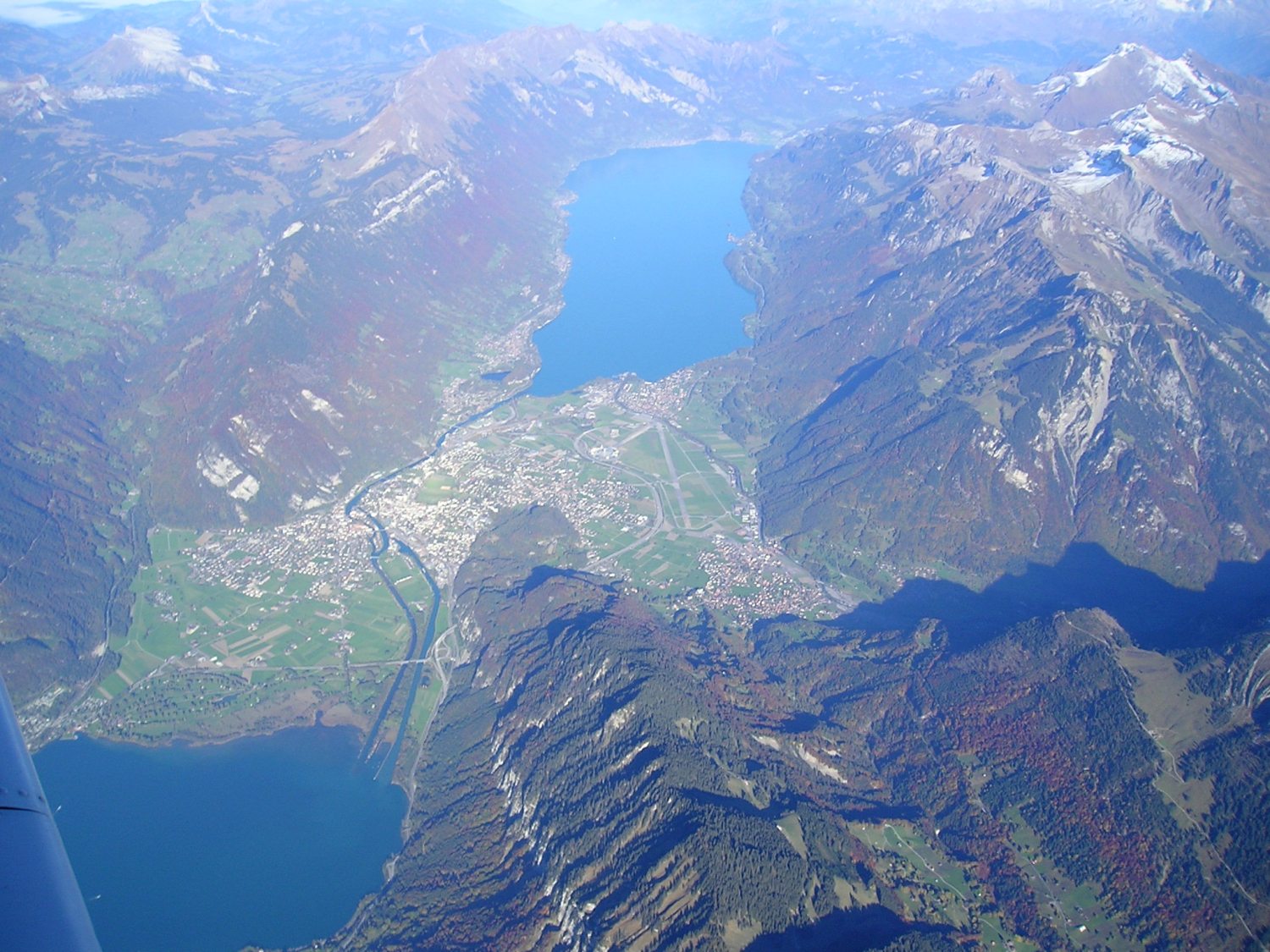
Interlaken has a long-standing history as a place of contemplation, retreat, and inward listening. The town originated from an Augustinian monastery founded in 1130, intentionally established between Lake Thun and Lake Brienz, where water, mountains, and open valley space naturally support reflection and balance. Historically shaped by pilgrimage routes and meditative walking traditions, the region is also spoken of by many modern visitors as containing vortexes of natural energy, particularly in the landscape between the two lakes where water, rock, and altitude converge. Surrounded by the dramatic presence of the Eiger, Mönch, and Jungfrau, Interlaken naturally fosters expansion, humility, and clarity, making it a place where insight often arises quietly through awe, stillness, and the meeting of land, water, and sky.
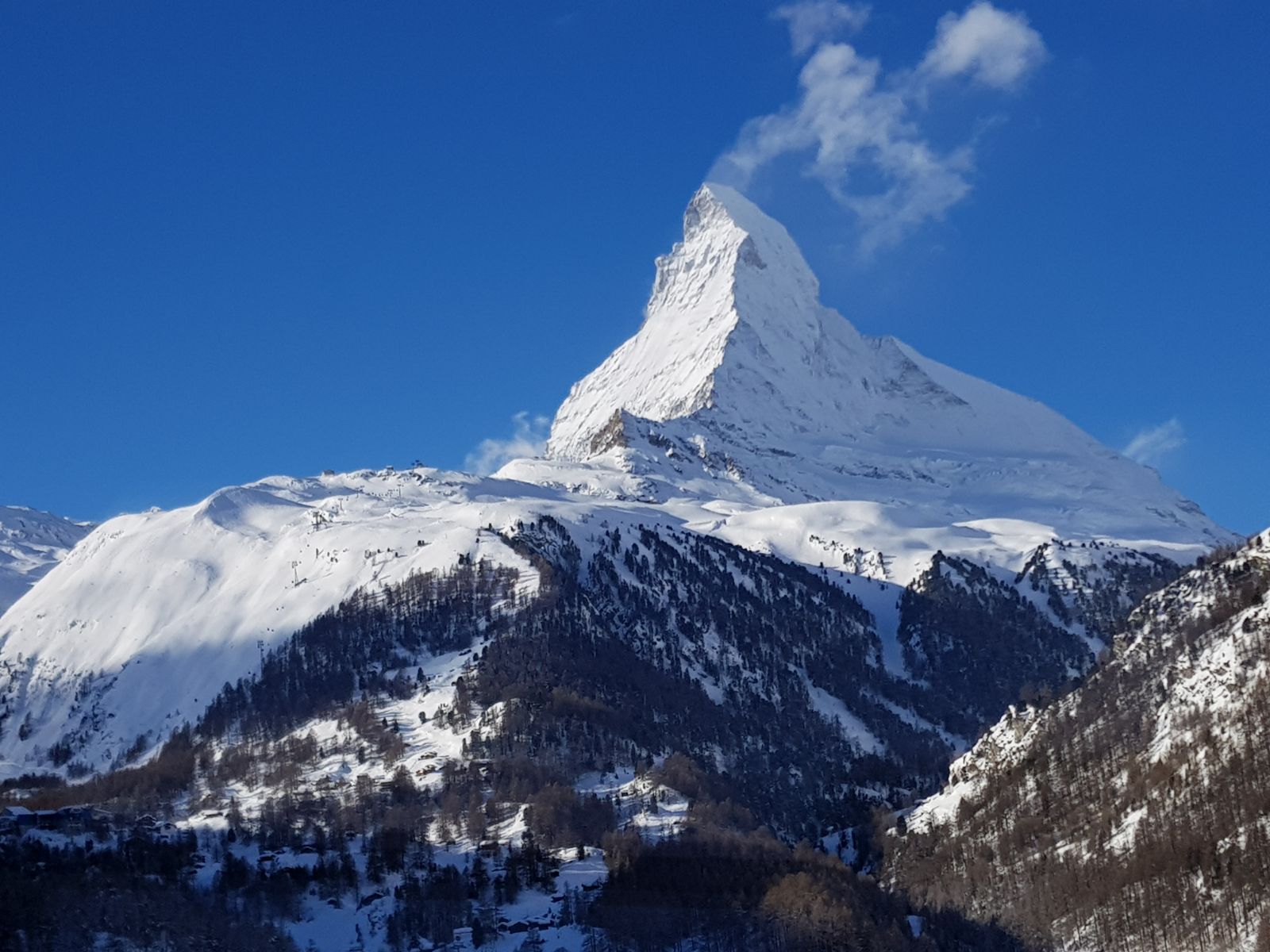
Zermatt has long been associated with reverence, humility, and quiet devotion, shaped by centuries of Alpine pilgrimage and mountain spirituality. Throughout the Valais region, high passes and peaks were traditionally approached with prayer, and small chapels and wayside shrines around Zermatt reflect a history of pausing for protection, gratitude, and reflection before entering the high mountains.
Dominated by the singular presence of the Matterhorn, the area is also spoken of by many visitors as containing vortexes of natural energy, particularly where sharp rock formations, glaciers, and extreme altitude converge. These locations are often experienced as places of profound stillness and awe, where thought quiets and perspective shifts naturally.
As a car-free village requiring a conscious slowing down, Zermatt creates ideal conditions for completion and integration—allowing the journey to culminate in presence, silence, and a felt sense of unity shaped by scale, altitude, and timeless mountain awareness.
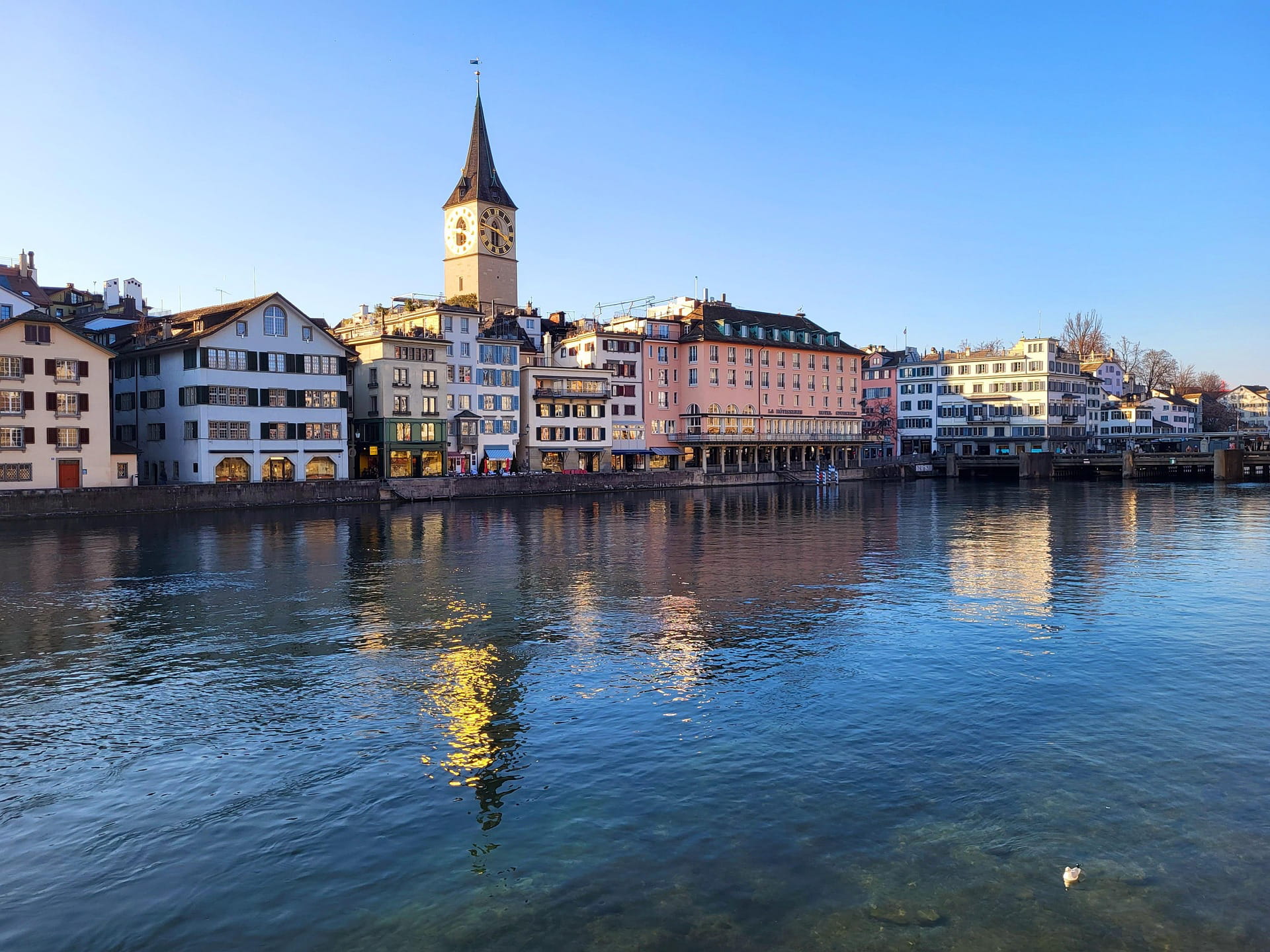
Zurich serves as a natural space for decompression and completion at the end of the journey, especially as participants prepare to return home via the airport. Historically shaped by balance between water, craft, and civic life, Zurich carries a steady, grounded quality that supports re-entry into everyday rhythm. After the intensity of mountains, altitude, and awe, time here is intentionally gentle allowing experiences to settle without analysis or effort. Many people describe Zurich as a place where energy naturally “comes back into the body,” making it well suited for integration before travel. This final pause helps participants leave Switzerland feeling centered, calm, and present, rather than overstimulated, it carries the depth of the journey forward in a way that feels sustainable and embodied.